Understanding the Importance of the SAAQ Knowledge Test
In Quebec, anyone looking to obtain a driver’s license must first pass the SAAQ Knowledge Test administered by the Société de l’assurance automobile du Québec (SAAQ). This test is a critical step in the licensing process and is designed to assess an individual’s understanding of the rules of the road, traffic signs, and safe driving practices. The primary goal of the SAAQ Knowledge Test is to ensure that new drivers possess the theoretical foundation necessary to operate a vehicle safely and responsibly. By evaluating a person’s ability to interpret traffic laws and signage, the SAAQ aims to reduce the number of road accidents and enhance public safety throughout the province.
What the SAAQ Knowledge Test Involves
The SAAQ Knowledge Test is typically taken after the completion of a driving course from a certified driving school. It comprises multiple-choice questions and covers various topics related to road safety, driver responsibilities, and traffic regulations specific to Quebec. The test is divided into different sections, with a strong focus on subjects such as right-of-way rules, road signs, emergency procedures, and the effects of alcohol or drugs on driving. Most questions are scenario-based and require the applicant to make informed decisions similar to real-life driving situations SAAQ Knowledge Test. A passing grade is required to proceed to the next steps in the licensing process, which include practical driving tests. The test is available in French and English and can be taken at one of the many SAAQ service centers throughout the province.
Preparing Effectively for the SAAQ Knowledge Test
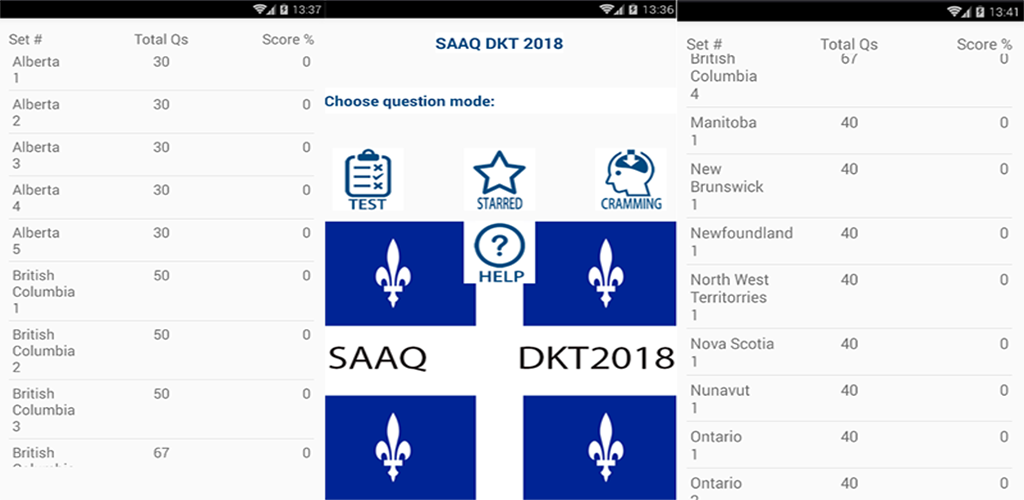
Proper preparation is key to succeeding in the SAAQ Knowledge Test. One of the most effective ways to prepare is by studying the Driving a Passenger Vehicle guide, provided by the SAAQ. This guide is the official resource and contains all the information needed to pass the test, including traffic signs, road markings, and explanations of driving laws in Quebec. It is available online and in print, making it accessible to everyone. Additionally, many driving schools offer practice tests and theoretical classes that simulate the actual exam experience. Online practice exams are also highly recommended, as they help familiarize applicants with the test format and improve confidence. Candidates should aim to thoroughly understand the logic behind road rules rather than simply memorizing facts. Consistent review and practice will significantly increase the chances of passing the test on the first try.
Common Challenges and How to Overcome Them
Many applicants find the SAAQ Knowledge Test challenging due to its comprehensive nature and the pressure of a testing environment. A common mistake is underestimating the test and relying solely on general driving knowledge. To overcome this, it’s essential to allocate sufficient time to study and review all test topics. Another common issue is difficulty with the wording of certain questions, which can sometimes be confusing or tricky. Reading each question carefully and understanding what is being asked before answering is crucial. If English or French is not the applicant’s first language, studying vocabulary related to driving can also help improve comprehension. Staying calm during the test and managing time efficiently will further aid in achieving a successful outcome.
What to Expect After Passing the Test
Once the SAAQ Knowledge Test is successfully completed, the applicant receives a learner’s license, which allows them to begin practicing driving with a licensed instructor or an experienced driver. This is the first phase in Quebec’s graduated licensing system, which gradually introduces new drivers to increasingly complex driving situations. The learner’s license is valid for 12 months, during which the driver must accumulate experience and prepare for the subsequent road tests. The knowledge gained from studying for the SAAQ test continues to be useful during this phase, as it forms the theoretical foundation for practical driving. Passing the knowledge test is not just a bureaucratic requirement—it’s a vital milestone that sets the tone for a lifetime of safe and responsible driving.